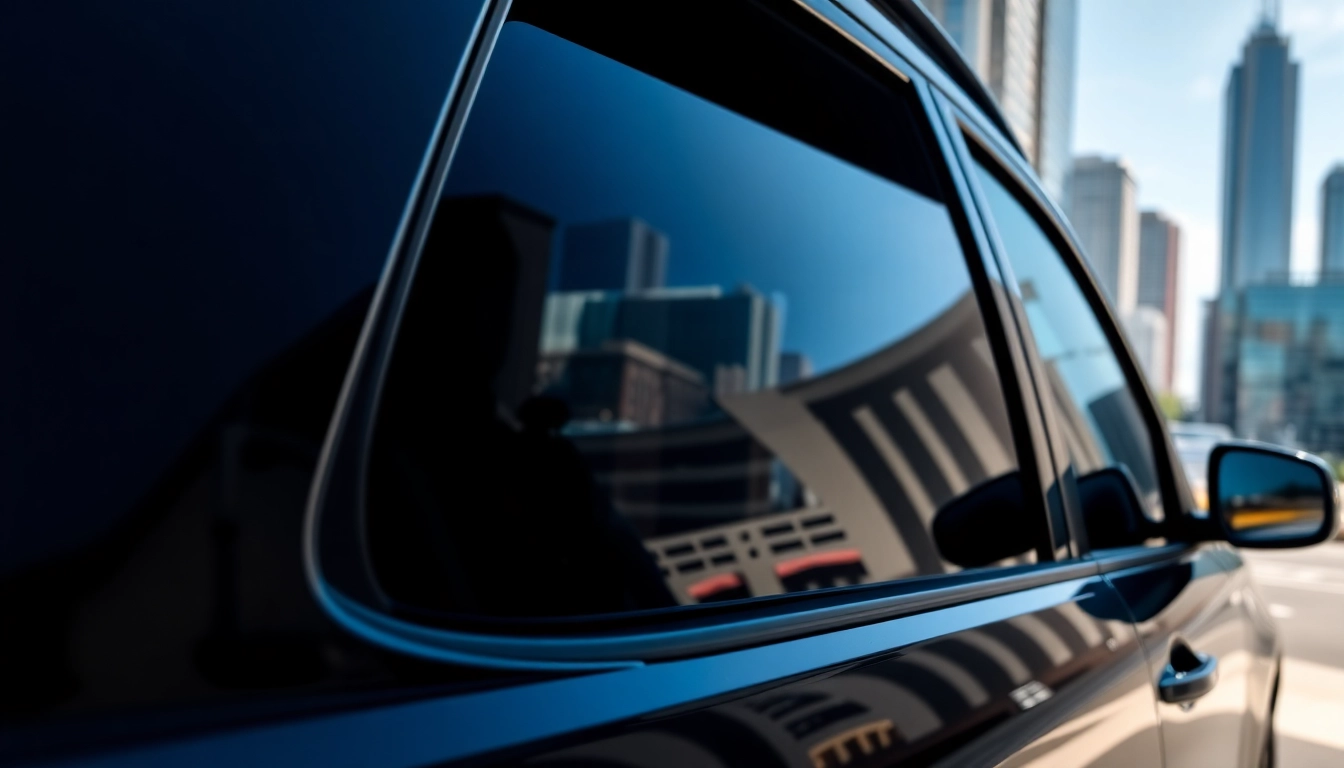
What is Window Tinting?
Definition of Window Tinting
Window tinting involves applying a thin film to the glass surfaces of vehicles or buildings to reduce the amount of light and heat that enters. This process is not only aesthetic but serves practical purposes, enhancing privacy, comfort, and energy efficiency. The film is made of various materials such as polyester and can come in a range of shades, reflecting the diverse preferences of consumers.
Benefits of Window Tinting Cleveland TN
When considering window tinting Cleveland TN, one should understand its multitude of benefits. These include significant UV protection, reduced glare, enhanced privacy, and improved energy efficiency. Furthermore, tinted windows can protect your car's interior from fading and cracking, prolonging the life of upholstery and dashboard components.
Types of Window Tinting Films
There are several types of window tinting films available, each with unique characteristics. The most common types include:
- Dyed Window Film: A popular choice for its affordability, this film blocks light to some extent, offering a modest increase in privacy.
- Metalized Window Film: Incorporating metallic particles, this film reflects heat and provides greater durability against scratches.
- Ceramic Window Film: Known for its excellent heat rejection capabilities without compromising visibility, making it a premium choice.
- Hybrid Window Film: Combines features of dyed and metalized films, offering varied benefits at a mid-range price point.
Advantages of Window Tinting Cleveland TN
UV Protection and Glare Reduction
One of the primary advantages of window tinting is UV protection. Tinted films can block up to 99% of harmful UV rays, reducing the risk of skin cancers and other skin conditions. Furthermore, glare reduction enhances visibility while driving, making it easier to see during bright, sunny conditions and decreasing eye strain.
Enhanced Privacy for Vehicle Owners
For many vehicle owners, privacy is paramount. Window tinting provides a barrier against prying eyes, allowing passengers to feel more secure while inside the vehicle. This feature is particularly valuable in urban areas where theft and break-ins may be more common.
Energy Efficiency and Temperature Control
Tinting helps regulate the temperature within vehicles, reducing the need for excessive air conditioning. This energy efficiency not only lowers fuel consumption but can also lead to decreased air conditioning costs, benefiting both your wallet and the environment.
Choosing the Right Window Tint for Your Needs
Understanding Local Regulations
Before opting for window tinting, it's crucial to understand local regulations as they can vary widely. In Cleveland, TN, there are specific laws regarding the allowable darkness of tint on various windows. Compliance not only avoids legal issues but also ensures safety for you and other road users.
How to Select the Right Shade
Choosing the right shade for your window tint is critical in achieving the desired balance between aesthetics and functionality. Lighter shades may not provide as much privacy or glare reduction, but they can still offer UV protection. Darker shades, while offering more benefits, can also limit visibility at night, so it's essential to consider how you'll use your vehicle and your personal preferences.
Factors to Consider Based on Your Vehicle
Your vehicle type can significantly impact the effectiveness of window tinting. For instance, larger vehicles may require different tinting solutions compared to compact cars. Additionally, consider the orientation of your vehicle's windows; those facing the sun may benefit from more robust films that offer better heat rejection.
The Installation Process of Window Tinting
Professional Installation vs. DIY
While DIY window tinting kits are available, professional installation is generally recommended for optimal results. Professionals have the experience and tools necessary to ensure that the tint is applied correctly, with minimal bubbles and inaccuracies. This investment can save time and potential mistakes down the line.
Steps for Quality Tint Application
The process of applying window tint typically involves several key steps:
- Preparation: Clean the windows thoroughly to remove dirt and debris, ensuring a smooth application.
- Measurement: Measure and cut the tint film to the appropriate size for each window.
- Application: Apply the film using a solution to allow for repositioning and minimize bubbles.
- Smoothing: Use a squeegee to smooth out any bubbles or wrinkles, ensuring a flat surface.
- Curing: Allow the tint to cure properly, typically for a few days, to achieve the best adhesion.
Maintenance Tips for Long-lasting Tint
Maintaining tinted windows is vital for longevity. Here are some tips:
- Avoid using harsh chemicals that can damage the film.
- Use soft microfiber cloths for cleaning to prevent scratches.
- Do not roll down the windows for at least a few days after installation to allow the tint to properly adhere.
Frequently Asked Questions About Window Tinting Cleveland TN
How long does window tinting last?
Quality window tinting can last anywhere from 5 to 15 years, depending on the film type and installation quality. Regular maintenance can help prolong its lifespan.
Is window tinting legal in Cleveland TN?
Yes, window tinting is legal in Cleveland TN, but specific regulations govern the allowable darkness and reflectivity for different vehicle windows, mandating compliance with state laws.
Can window tinting reduce heat in my car?
Yes, window tinting significantly reduces heat by blocking infrared rays, helping keep your vehicle cooler and improving comfort for passengers.
What’s the cost of window tinting in Cleveland TN?
The cost of window tinting can vary based on film quality and the complexity of installation, typically ranging from $150 to $400 or more depending on the vehicle.
How do I clean tinted windows properly?
To clean tinted windows, use a solution specifically made for tinted films and a soft cloth. Avoid ammonia-based cleaners, as they can damage the film.