
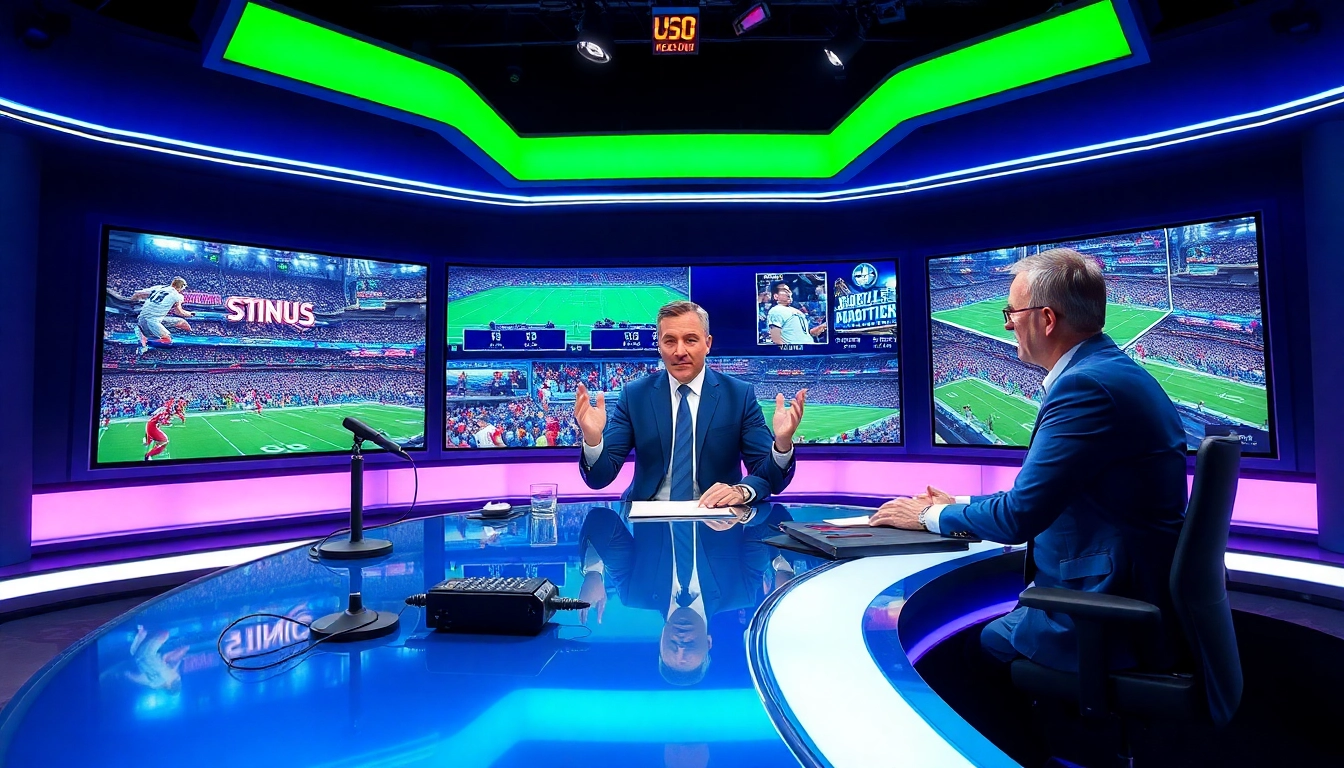
The Essence of Sports Broadcasting
Sports broadcasting has become an integral part of modern media, transforming how fans experience and engage with their favorite sports. The act of broadcasting games, analysis, and commentary not only provides entertainment but also fosters community among fans around the globe. As the landscape of media continues to evolve, understanding the fundamentals of Sports Broadcasting is essential for anyone looking to break into or appreciate this dynamic field.
What is Sports Broadcasting
At its core, sports broadcasting involves the transmission of sports events and news to an audience through various media channels. This can include television, radio, online streaming, and social media platforms. The goal is not only to provide live coverage of events but also to enhance the viewer's experience through expert analysis, interactive segments, and engaging storytelling. Broadcasters serve as intermediaries between the sport and the fans, conveying information in a compelling and informative manner.
History and Evolution of Sports Broadcasting
The origins of sports broadcasting date back to the early 20th century with radio broadcasts of major sporting events. As technology advanced, television became the primary medium for sports coverage, allowing fans to witness live events in their living rooms. The rise of the internet introduced online streaming, creating new avenues for broadcasting and allowing wider access to global audiences. Over the decades, innovations such as high-definition broadcasting, instant replay technology, and interactive features have significantly enhanced viewer engagement.
The Importance of Sports Broadcasting in Media
Sports broadcasting plays a crucial role in the media landscape. It drives viewership and advertising revenue for networks while providing content that engages millions of fans. The intersection of sports and media fosters cultural discussions, supports local economies, and contributes to the narratives that define sports history. Furthermore, in an era where content is consumed across multiple platforms, sports broadcasting adapts to various formats, ensuring that it remains relevant.
Key Components of Successful Sports Broadcasting
Understanding the Audience
Successful sports broadcasters must have a deep understanding of their audience. This includes not just demographics but also the culture, preferences, and behaviors of sports fans. By analyzing viewer data, broadcasters can tailor content to meet audience expectations, enhancing engagement. Understanding what drives fan loyalty—whether it’s team affiliation, particular players, or the social aspects of watching sports—helps in creating targeted broadcasts.
Essential Equipment and Technology
The technology behind sports broadcasting is constantly evolving, requiring broadcasters to stay ahead of trends. Essential equipment includes high-definition cameras, microphones, and advanced production software that facilitate seamless live broadcasting. Innovations like drone cameras and augmented reality add depth to broadcast presentations, offering unique perspectives during games. Moreover, the integration of analytics tools aids in delivering insights that enrich the viewing experience.
Critical Skills for Sports Broadcasters
A successful sports broadcaster must possess a diverse skill set. Strong communication skills are paramount, as broadcasters must convey information clearly and engagingly. Knowledge of the sport, storytelling abilities, and the capacity to think on one’s feet during live broadcasts are equally vital. Additionally, familiarity with digital media trends and audience engagement strategies is essential for adapting to the changing landscape of sports media.
Current Trends in Sports Broadcasting
Digital Media’s Impact on Sports Broadcasting
The digital era has profoundly transformed sports broadcasting. Streaming services and social media platforms have emerged as significant players in delivering sports content, disrupting traditional broadcasting models. Fans can now access games on-demand and interact with live broadcasts in real-time, which has changed audience expectations. As a result, networks are investing in digital-first strategies to capture the growing online audience.
Trends in Viewer Engagement
Engaging viewers has become a critical focus in sports broadcasting. Interactive features, such as live polls, Q&A segments, and social media integration, allow fans to participate actively during broadcasts. Additionally, sports gambling has become mainstream, with broadcasts incorporating betting odds and analytics, further increasing viewer interaction. The adoption of second-screen experiences—where fans can use a mobile device to access supplementary content while watching—enhances engagement and keeps viewers hooked.
Innovative Broadcast Formats
Innovation in broadcast formats has emerged as a response to changing viewer habits. From immersive augmented reality experiences to multi-camera angles and real-time statistics, broadcasters are continually finding ways to stand out. Niche formats, such as watch parties with celebrity guests and themed broadcasts, also cater to specific audience interests, creating unique viewing experiences that differentiate one broadcast from another.
Challenges in Sports Broadcasting
Staying Relevant in a Competitive Market
In an era marked by intense competition among content providers, staying relevant is one of the biggest challenges for sports broadcasters. As streaming services expand their offerings, traditional networks must innovate continually to retain viewers. This includes producing original content, entering partnerships with leagues and teams, and leveraging social media to reach younger audiences. The challenge lies not just in retaining viewership but also in attracting new fans.
Navigating Broadcast Rights and Regulations
Broadcast rights are a major concern in sports broadcasting, dictating how and when games can be aired. Broadcasters must navigate complex agreements with leagues and teams while complying with local laws and regulations. Changes in ownership or league structures can influence broadcast rights, requiring broadcasters to remain agile. Moreover, globalization complicates matters, as international rights can span multiple jurisdictions and legal frameworks.
Technical Challenges in Live Broadcasting
Technical issues are an ever-present challenge during live broadcasts. Stream interruptions, equipment failures, and signal losses can disrupt coverage and impact viewer experience. Broadcasters must be prepared with contingency plans to handle these situations effectively. Continuous investment in technology and training staff to troubleshoot issues can minimize risks and ensure a smooth broadcast.
Future of Sports Broadcasting
The Role of AI and Technology
Artificial intelligence (AI) is poised to play a significant role in the future of sports broadcasting. From automating highlight reels to providing personalized content recommendations, AI technologies streamline production processes and enhance viewer experiences. Furthermore, AI analytics can improve commentary by providing detailed statistics and insights in real-time, allowing for smarter discussions during broadcasts, catering to both casual viewers and sports enthusiasts alike.
Predictions for Broadcasting Innovations
The future of sports broadcasting will likely involve further enhancements in viewer engagement and interactivity. Virtual reality (VR) and augmented reality (AR) are set to create immersive viewing experiences that make fans feel as if they are present at the event. Innovations like 360-degree broadcasts and interactive graphics could redefine how fans consume sports, transforming passive viewing into active participation.
Career Opportunities in Sports Broadcasting
The sports broadcasting industry offers a wide range of career opportunities. From sports analysts and commentators to production crew and digital media specialists, there are roles suited for various skill sets. As the landscape evolves, new roles focusing on technology, data analysis, and social media engagement will continue to emerge. Aspiring broadcasters should leverage internships and networking opportunities to establish their careers in this vibrant field.
Frequently Asked Questions
What skills are essential for a successful sports broadcaster?
Essential skills include effective communication, in-depth sports knowledge, storytelling abilities, and adaptability to live situations. Technical skills with broadcasting equipment and software can also enhance performance.
How has technology changed sports broadcasting?
Technology has revolutionized sports broadcasting through HD visuals, streaming services, and real-time analytics, enhancing viewer engagement and providing more immersive experiences.
What are some current trends in sports broadcasting?
Current trends include interactive formats, the integration of betting information, digital-first strategies, and the use of social media to foster viewer engagement and promote broadcasts.
What challenges do sports broadcasters face today?
Challenges include staying relevant in a competitive market, navigating complex broadcast rights, and addressing technical difficulties during live broadcasts to ensure smooth coverage.
What does the future hold for sports broadcasting?
The future may see greater integration of AI, VR, and AR, leading to more interactive and immersive viewing experiences, along with new opportunities for professionals in the industry.